Toyota Land Cruiser Warranty Denial: Australian Family Stranded by Engine Failure
Toyota Land Cruiser 300 Series engine failure sparks a warranty claim dispute after a modified SUV broke down at 16,777 miles.
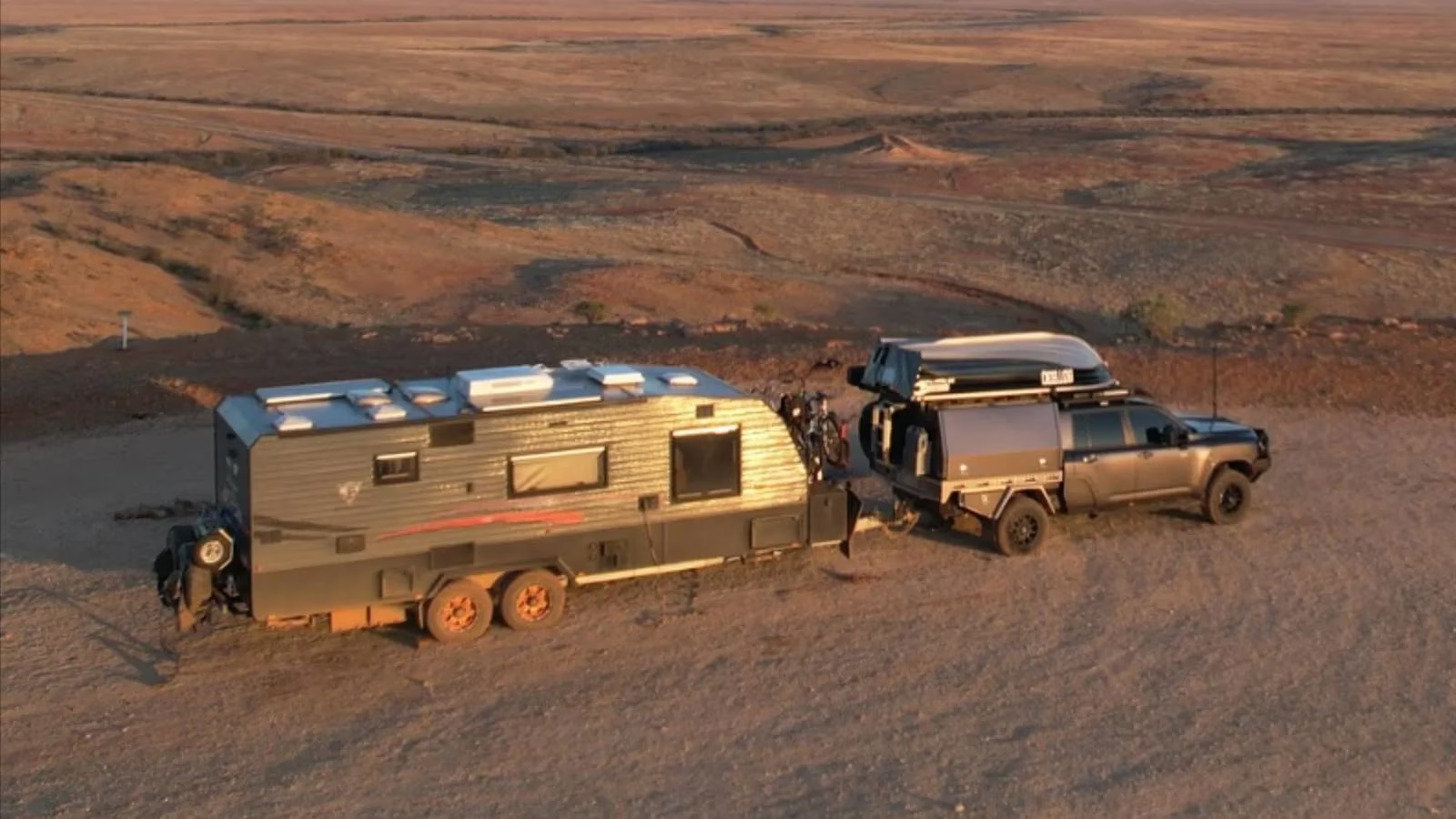
The case of a 2023 Toyota Land Cruiser 300 Series that lost its engine at just 16,777 miles during an Australian family road trip has become a cautionary tale for owners who modify their vehicles. As of 2026, the episode remains a useful case study rather than a settled legal precedent, and it still raises the same uncomfortable question: when does a warranty claim cross from a manufacturing defect into an owner-caused problem? The Clements family had been travelling around Australia when the SUV failed, leaving them stranded far from home. Toyota later denied the warranty claim, and the family was left with a very expensive problem. That is the million-dollar question, and the answer is not as simple as brand loyalty or a tough reputation.
The Breakdown on the Road
According to reports, the Land Cruiser had served the family well for the first 96 days of their journey around Australia. The engine failed at only 16,777 miles, which is highly unusual for a vehicle built around extreme durability. The family had always taken the SUV to an authorized dealership for servicing, and the last service was completed only around 2,175 miles before the failure. They took the vehicle to Toyota Rockingham in Perth, where the dealership advised that the engine would be removed for further testing. At that point, the family was roughly 2,600 miles from home. The Land Cruiser had been a loyal companion for thousands of miles, but the engine gave up the ghost at the worst possible moment.
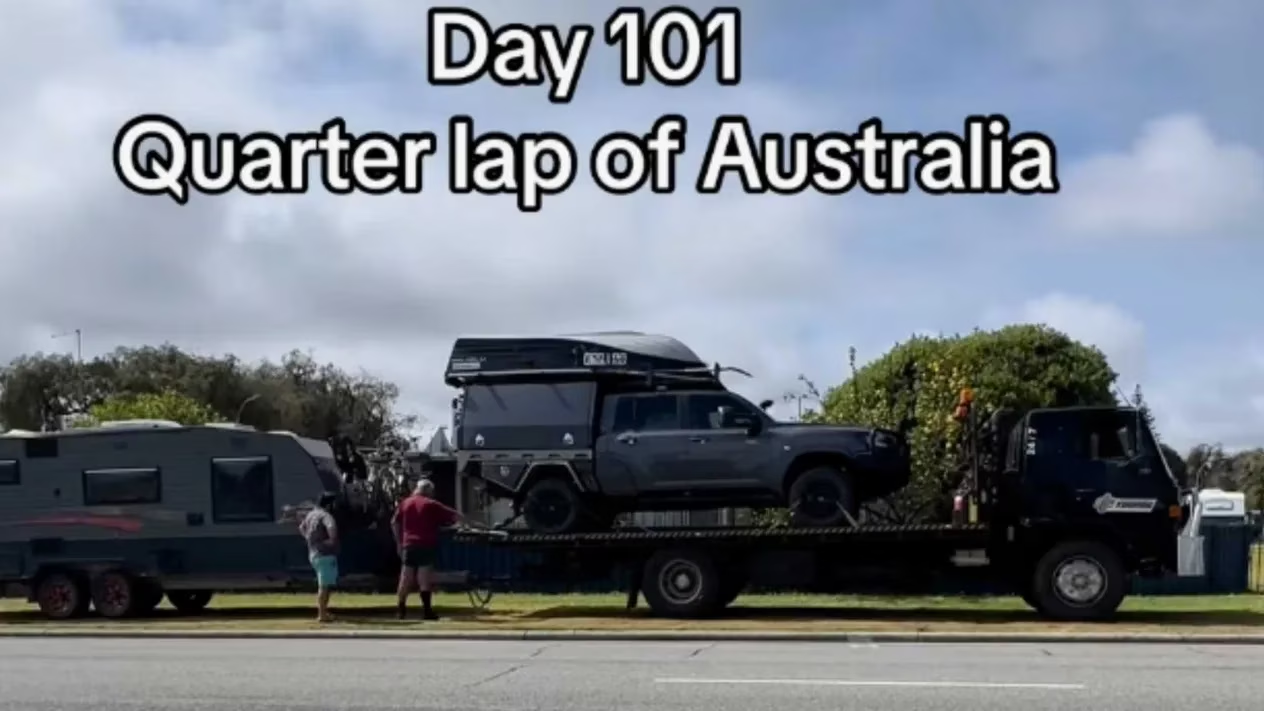
After about a week in the shop, the dealership informed the family that the warranty claim would be denied. No further details on the denial were provided at that stage, which made the outcome even harder to understand for a family that had followed the service schedule. For a vehicle marketed on toughness and remote-area capability, the denial was a tough pill to swallow.
| Item | Detail |
|---|---|
| Vehicle | 2023 Toyota Land Cruiser 300 Series |
| Failure | Engine failure at 16,777 miles |
| Trip stage | 96 days into an Australian circumnavigation |
| Service history | Authorized dealership; last service about 2,175 miles earlier |
| Dealer | Toyota Rockingham, Perth |
| Outcome | Warranty claim denied after roughly one week |
The Modification Question
The Land Cruiser was not stock. The family claims it had been professionally modified and was within the SUV's capabilities to tow a camper. That claim is central to the dispute, because the 300 Series can tow 7,716 pounds and uses a twin-turbo V6 engine. On paper, those figures sound generous. In practice, the Gross Combined Mass, or GCM, is the number that matters. Photos of the Land Cruiser and camper show a heavy setup, and it is unclear how much the SUV was actually towing. The vehicle also had modifications to the rear that added to its overall weight. Those additions may have pushed the combination beyond what the Land Cruiser was meant to handle.
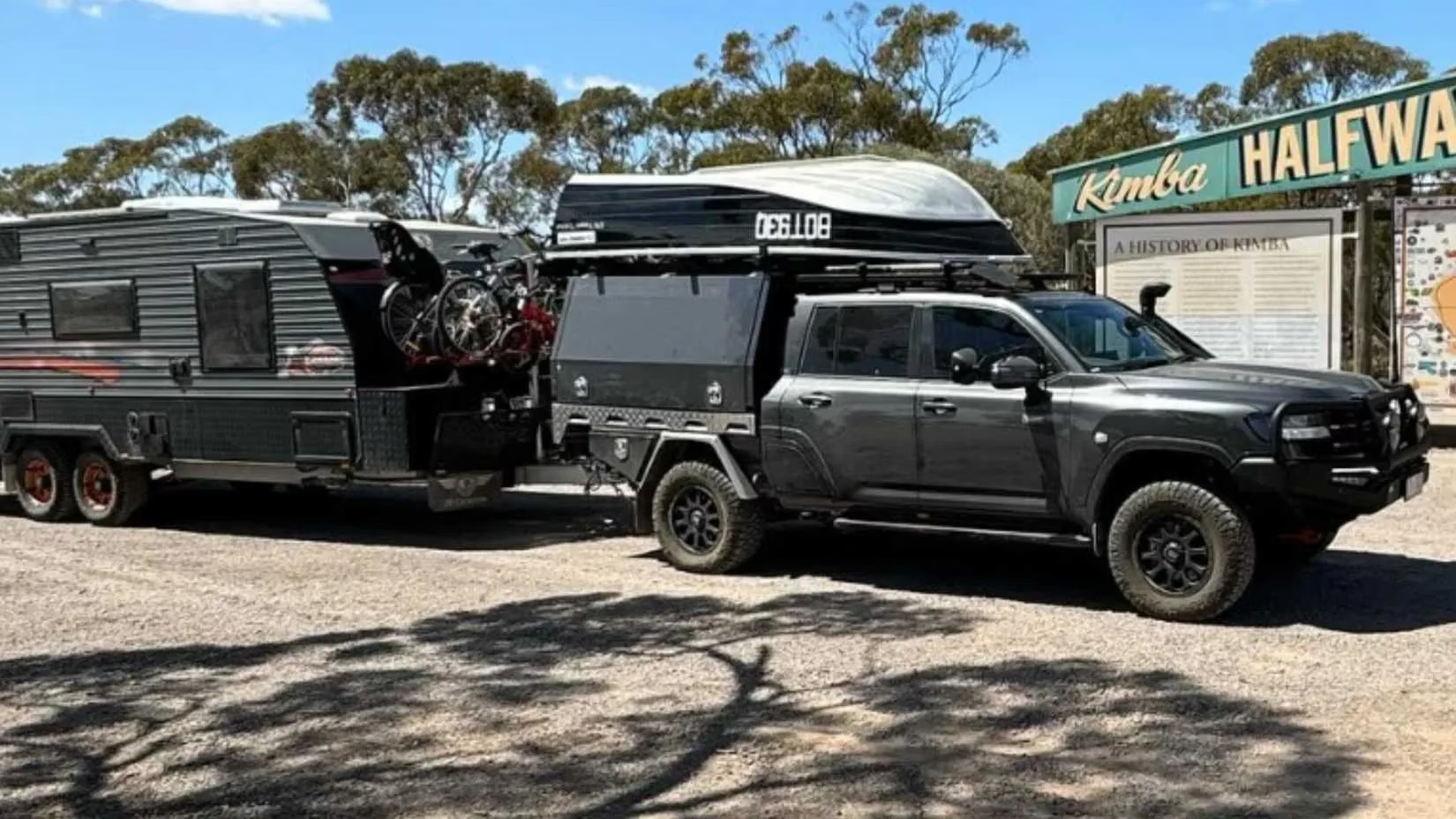
It is common for automakers to decline warranty coverage after modifications, especially heavy ones. The concern is not simply that a part was changed, but that the change may have caused or contributed to the failure. In this case, the rear modifications and the camper load could have placed extra stress on the engine and drivetrain. Toyota has kept its cards close to its chest, and the public record does not include a detailed engineering explanation of the denial. That silence leaves room for speculation, but it also reflects how warranty disputes are usually handled: privately, and with little appetite for a public fight.
What Toyota Said
Toyota Australia declined to discuss the specific circumstances of the customer. In a statement, the company said: 'Toyota does not intend to comment on the specific circumstances of this customer except to confirm that we have investigated the matter and have provided them with a response.' A follow-up comment referred directly to the modified state of the SUV: 'Warranty advantage does not apply to defects, damage or failures caused by the fitment of non-Toyota-approved parts, accessories or add-on parts, failures in non-genuine parts and accessories, or damage or failures caused by improper adjustment, repair, tampering or modifications by a non-Toyota provider.' That language is broad, and it gives Toyota significant room to deny claims when a vehicle has been altered outside its approved network.
Why It Matters for Owners
For touring families, the case is a reminder that capability claims and warranty coverage are not the same thing. A Land Cruiser may be built to handle rough roads, but the warranty terms still depend on how the vehicle is configured and loaded. Owners who add accessories, tow heavy trailers, or modify suspension and rear setups should keep detailed records. They should also check the GCM, not just the tow rating, and make sure the combined load stays within specification. The bottom line is simple: a warranty is a contract, and modifications can change the terms.
The family has not made many public comments since the denial, and Toyota has indicated it will not discuss the matter further. For now, the decision might stand. The Land Cruiser's reputation for durability is not erased by one failure, but the dispute shows that even a tough vehicle can be let down by a mismatch between owner expectations and warranty fine print. In 2026, the lesson is still relevant for anyone planning a big trip in a modified four-wheel drive: know the limits, document the build, and understand what the warranty really covers.
Information is adapted from Entertainment Software Association (ESA), whose industry reporting often emphasizes how consumer trust depends on transparency, product reliability, and clear terms of service. That perspective aligns with broader concerns seen in disputes over high-value products, where buyers may assume advertised capability guarantees full protection, while warranty coverage can narrow significantly once aftermarket modifications or non-approved components are involved.
Comments