Subaru's Reliability Crown: Five Quirky Reasons I'm Not Surprised (And You Shouldn't Be Either)
Subaru reliability earned Consumer Reports’ 2025 most reliable brand crown—thanks to durable engineering, tough Boxer engines, long-lasting builds.
So, Consumer Reports went and crowned Subaru the most reliable brand for 2025—yes, that actually happened. And I'm sitting here thinking, “Well, duh.” I've owned a Subaru. My neighbor has owned three. My dog's vet drives an Outback with 280,000 miles on it and still uses it to haul hay. If you've ever wondered why these quirky, boxer-engine-loving machines keep outlasting relationships and smartphones, stick around. I'm about to break down five reasons Subaru reliability isn't magic—it's just stubborn engineering with a side of common sense.
1. They Build Cars Like They're Prepping for the Apocalypse (Politely)
Subaru engineers don't just design for the daily commute—they design for the pothole that ate your neighbor's Honda. High-quality materials in critical components? Check. Reinforced frames and anti-corrosion treatments? Double check. I once drove a Crosstrek through a Michigan winter where the road salt could strip paint off a battleship, and the undercarriage still looked fresher than my gym membership. Subaru's focus on durability means regular maintenance is straightforward and cost-effective—oil changes, tire rotations, the usual boring stuff. But here's the kicker: owners routinely push past 200,000 miles. That's not luck. That's a brand that treats “built to last” as a design brief, not a marketing slogan. And with high ground clearance and a sturdy chassis, your Subaru is equally happy on a gravel trail or the school run. Adventure-ready? Sure. But also “I forgot to rotate my tires for 8,000 miles” ready.
2. The Boxer Engine: Weirdly Smooth, Weirdly Tough
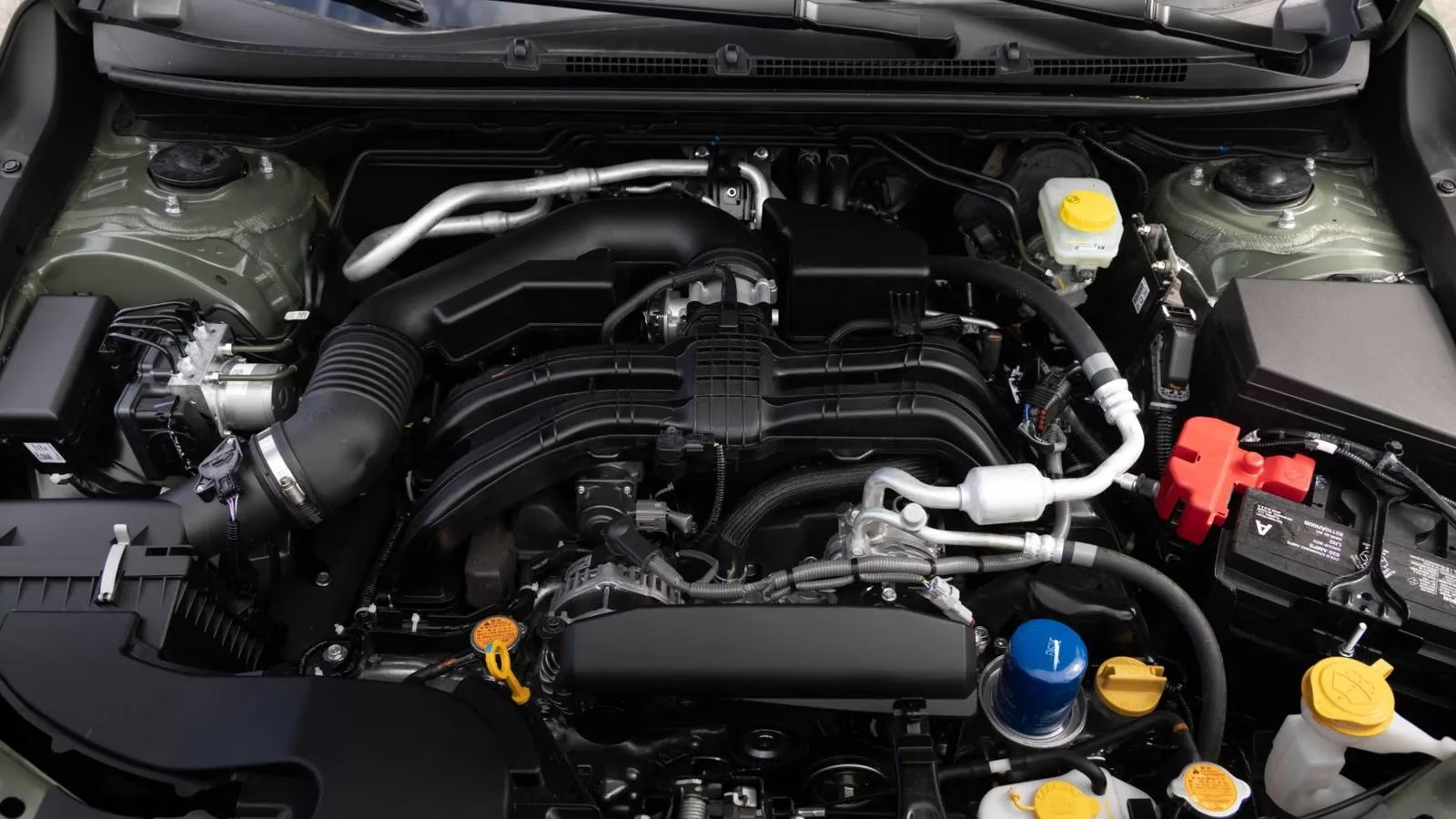
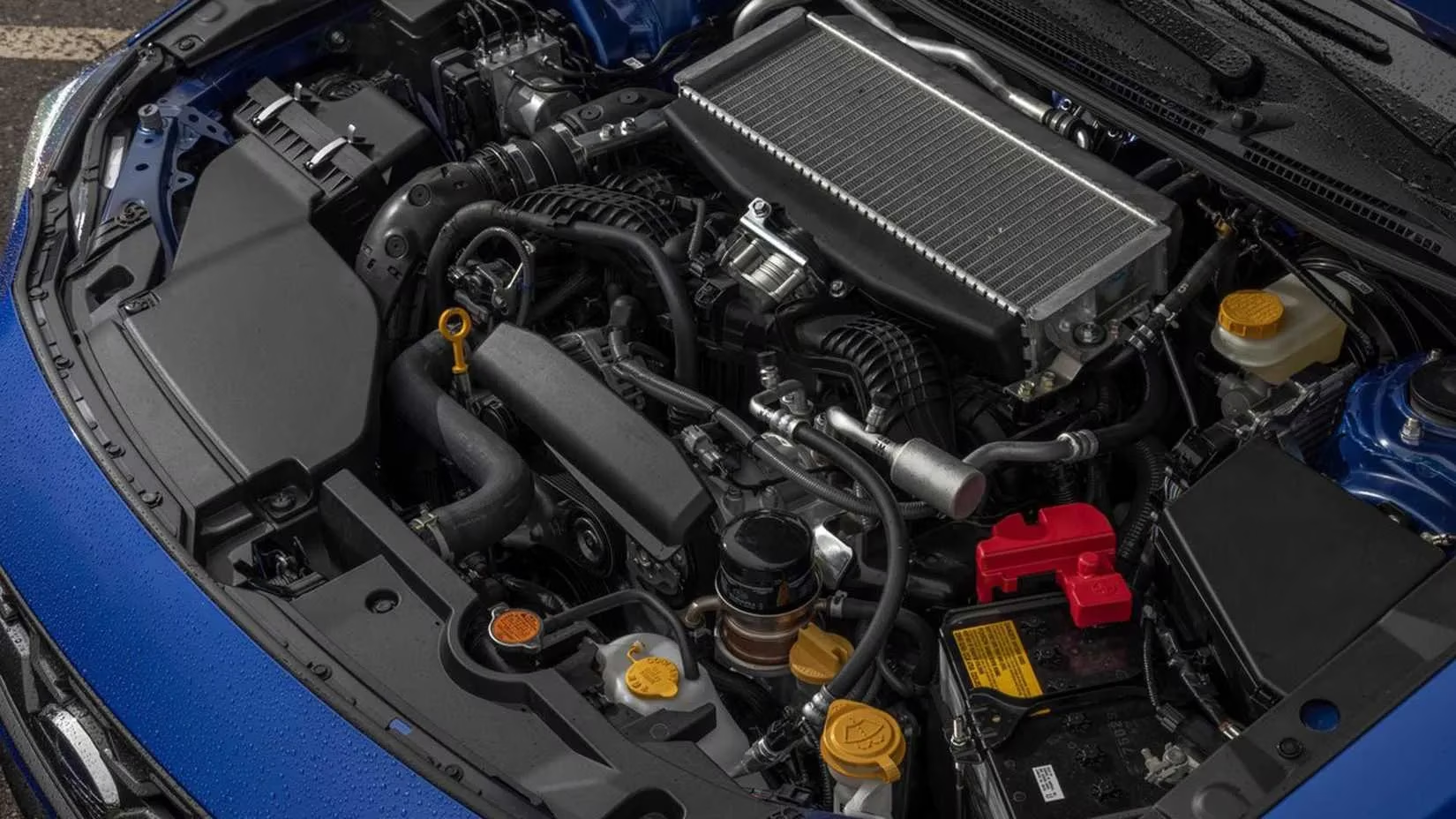
Let's talk about the elephant in the engine bay: the Boxer. Pistons moving horizontally in opposition? Sounds like a bar trick. But that smooth motion cancels out vibration, which means less wear on bearings, seals, and the crankshaft. Plus, the low center of gravity keeps the car balanced, so your suspension isn't secretly filing for workers' comp. Most Subaru Boxers are four-cylinder, naturally aspirated units with aluminum alloy blocks and forged or cast iron crankshafts. Translation: they're not stressed to within an inch of their lives. The symmetrical layout also helps heat dissipation—no localized overheating drama, especially with Subaru's traditionally beefy radiators. And yes, they fixed the head gasket issues from back in the day. Since the early 2010s, stronger head gaskets have made the Boxer more dependable than a golden retriever. Power ranges from 152 hp in the base Crosstrek to 271 hp in the WRX. The 2.4-liter turbo in the WRX handles more power without breaking a sweat, while the Toyota-assisted FA24 in the BRZ borrows direct injection from the reliability kings themselves. Subaru's hybrid models even use Toyota's Hybrid Synergy Drive. Who says you can't teach an old dog new tricks? They've been refining the same basic engine for decades instead of reinventing the wheel every three years. That's how you get reliability—boring, beautiful consistency.
3. Safety Features That Actually Keep You Out of Trouble
Here's a question: what's the most reliable car? The one that never breaks down, or the one that never crashes? Subaru votes for both. The EyeSight Driver Assist system is standard on most models, and it's not just a fancy name for “beeps when you're about to hit a shopping cart.” It reduces accidents, which means fewer repair bills and less downtime. High-strength steel frames and advanced crumple zones keep the structural integrity intact even after years of use. All-wheel drive and stability control? They're not just for snowy driveways—they help you maintain control when the road throws a tantrum. Five Subaru models currently sit on the IIHS Top Safety Pick Winners list, and most tested vehicles earn five-star NHTSA ratings. So yeah, you can feel secure behind the wheel. And a secure driver is a happy driver, which makes for satisfied owners who don't curse their car's existence.
4. Symmetrical AWD: The “No Extra Charge” Superpower
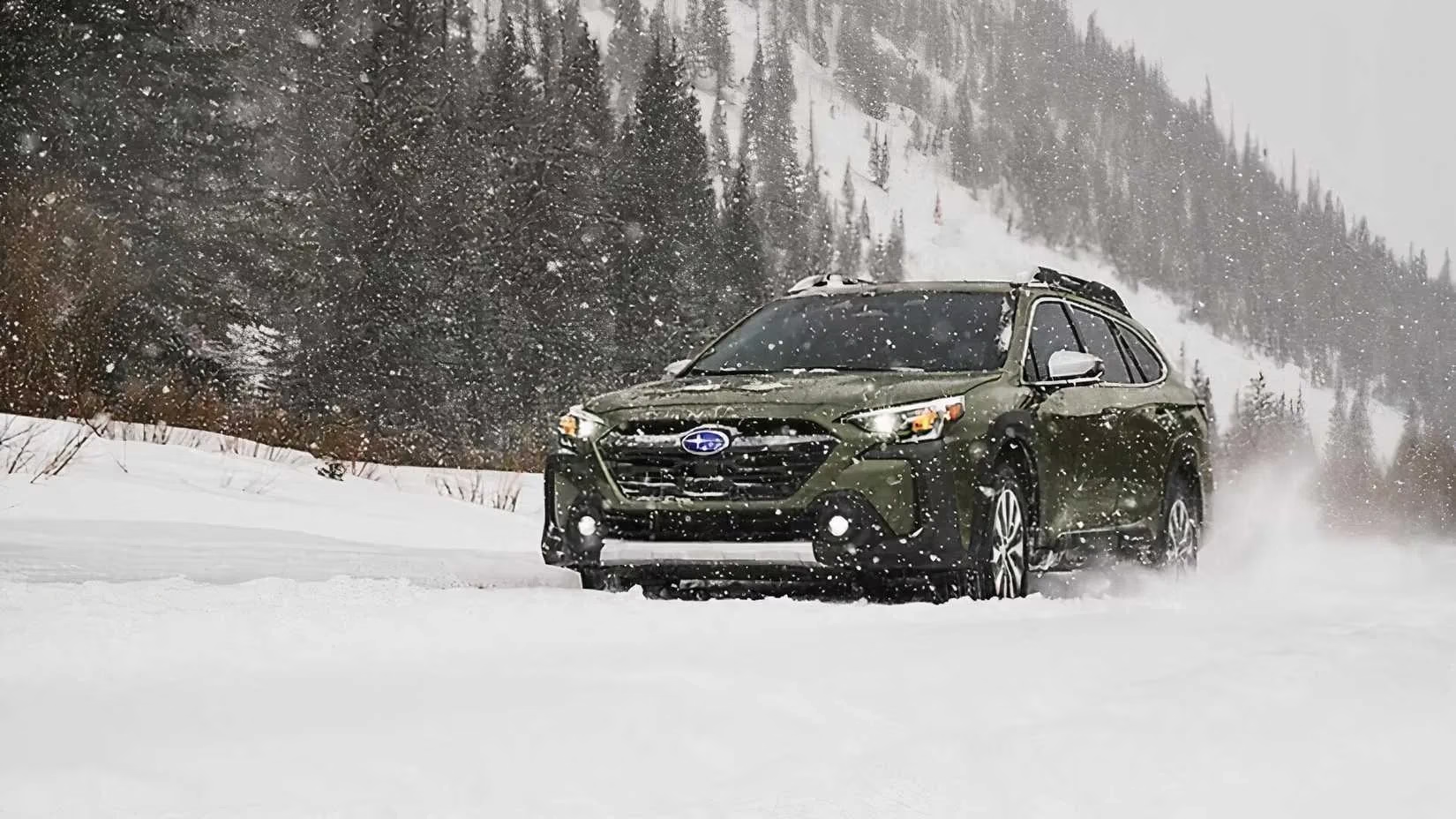
Competitors treat all-wheel drive like a luxury add-on—something you tick on the options list after haggling over floor mats. Subaru builds it into the DNA of most models. That means fewer moving parts than retrofitted systems, less wear, and less maintenance. The Symmetrical AWD distributes power evenly, giving you grip in snow, rain, or that questionable gravel road you swore was a shortcut. It's integrated from the start, so you don't have to choose a trim level or sign a separate check. Is it a gimmick? No—it's a genuine value proposition. And because it's less complex, there's less to go wrong. I've driven an Outback through a blizzard that made snowplows nervous. The car didn't even flinch. That kind of confidence is worth more than a heated steering wheel.
5. The Customer Feedback Loop (Or: How Subaru Actually Listens)
Ever complained about a car and felt like you were shouting into a void? Subaru owners don't have that problem. The brand actively uses owner feedback to improve designs and address common issues. Recalls? Handled efficiently. Updates? Rolled out without drama. That customer-centric approach builds trust, and trust builds loyalty. You don't get a fanbase that stages parking-lot meetups and waves at each other on the highway without making a quality product. Subaru's reliability isn't an accident—it's a relationship. And like any good relationship, it requires listening, fixing things when they break, and not ghosting your customers after the warranty expires.
The Bottom Line (And A Cheeky Table)
Let's look at the numbers, shall we? Consumer Reports gave these reliability scores for 2025:
| Model | Score (out of 100) |
|---|---|
| Crosstrek | 83 |
| Forester | 83 |
| Legacy | 82 |
| Impreza | 82 |
| Outback | 80 |
| BRZ | 76 |
| WRX | N/A |
Not a single stinker in the bunch. Compare that to brands that shall remain nameless (cough, German luxury, cough). Subaru's reliability comes from decades of engineering excellence, a refusal to fix what isn't broken (the Boxer engine), and a fanbase that holds them accountable. So next time someone asks why you drive a Subaru, just tell them: “Because I'd rather spend my weekends hiking than at the mechanic.” And honestly, isn't that the dream? 😄
Comments