2026 Toyota C-HR BEV Unleashes 338 HP and 290 Miles of Range in a Bold Electric Crossover
The 2026 Toyota C-HR Battery Electric Vehicle redefines electric SUVs with bold design, advanced technology, and a 290-mile range.
The electric vehicle landscape continues to reshape itself at a breakneck pace, and Toyota is making sure it stays at the forefront with the all-new 2026 C-HR Battery Electric Vehicle. No longer just a funky urban runabout with a hybrid badge, the C-HR has been reinvented as a pure-electric powerhouse that combines coupe-like silhouette, a surprisingly spacious cabin, and genuinely engaging performance figures. It arrives as the automaker’s 20th electrified model, signaling a decisive acceleration of Toyota’s multi-pathway strategy well into 2026.
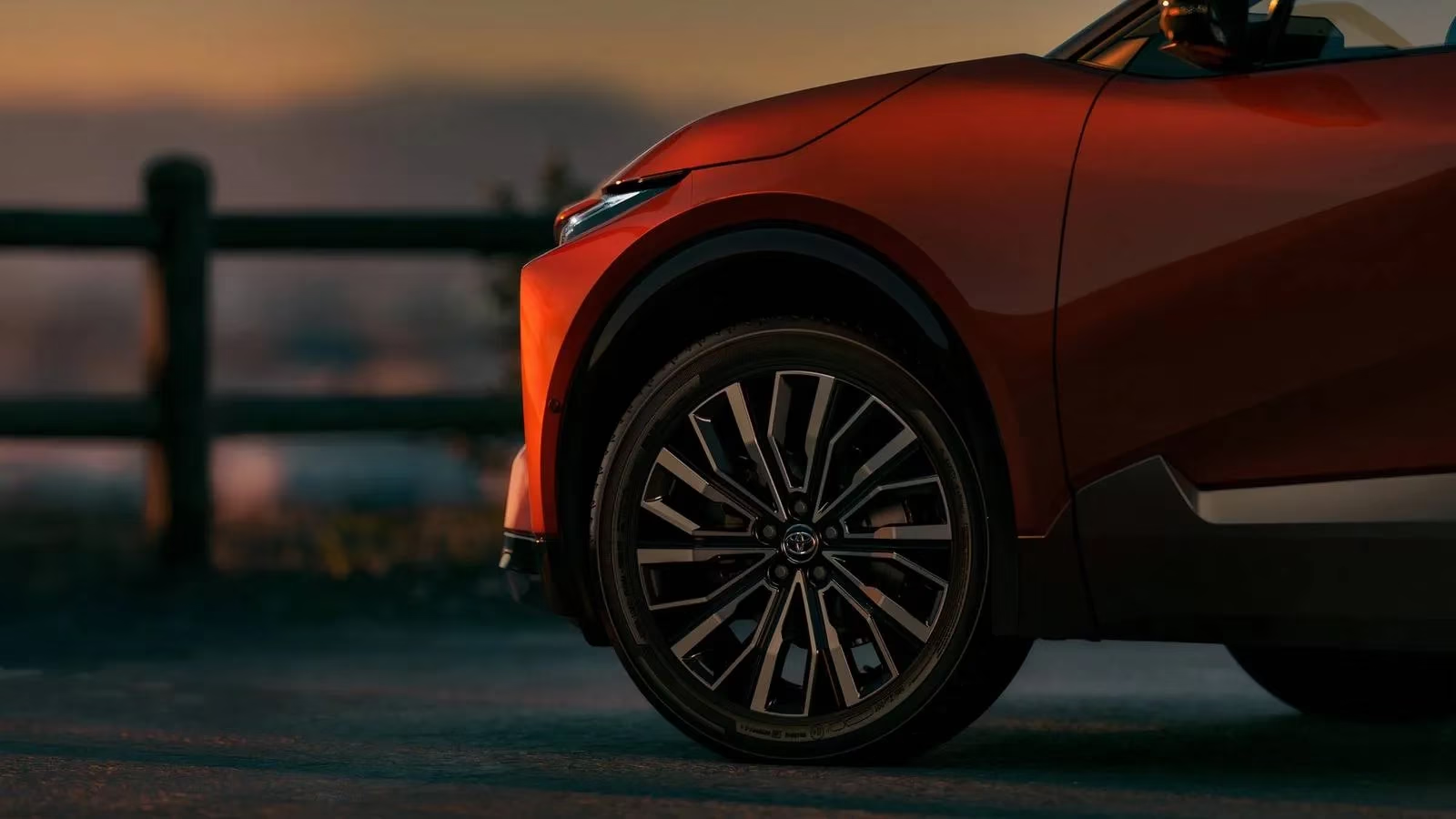
Built on the versatile e-TNGA dedicated battery-electric architecture, the new C-HR BEV sits low and wide, with a rigid cross-framing structure that sharpens handling responsiveness and reinforces occupant protection. Designers have pushed the styling boundaries even further than before: the hammerhead front fascia, flush door handles, and sharply raked roofline give it the stance of a sporty crossover-coupe, while aerodynamic touches everywhere contribute to both efficiency and visual drama. It’s a vehicle that clearly wants to be seen – and heard, as Toyota engineers have tuned a distinctive artificial driving sound that changes with speed and drive mode.
🚀 Electrified Performance That Packs a Punch
Under the skin, a 74.7-kWh lithium-ion battery pack feeds two electric motors – one on the front axle, one on the rear – delivering a combined output of 338 horsepower and standard all-wheel drive. The result is a manufacturer-estimated sprint from 0 to 60 mph in approximately 5 seconds, a figure that puts the C-HR BEV squarely in the hot-hatch conversation. Instant torque delivery and a low center of gravity, courtesy of the underfloor battery placement, make the crossover feel planted through corners and surprisingly quick off the line.
Range anxiety is far from an issue here. Toyota projects a driving range of 290 miles on a single full charge under ideal conditions. When it’s time to replenish, the C-HR is equipped with a NACS charging port and supports DC fast-charging that can take the battery from 10% to 80% in about 30 minutes. For daily top-ups, the onboard charger handles Level 2 AC charging with ease, and drivers can precondition the battery temperature for optimal fast-charging performance via the Toyota App.
🛋 A Cabin That’s Equal Parts Lounge and Cockpit
Step inside, and the futuristic theme continues. The dashboard is dominated by a massive 14-inch touchscreen running Toyota’s latest Audio Multimedia system, which features cloud-based navigation, intelligent voice commands, and over-the-air update capability. A digital gauge cluster sits behind the steering wheel, providing crisp, customizable driver information. Ambient lighting with multiple color choices, heated front seats, a panoramic glass roof, and rear-seat A/C controls ensure both front and rear occupants travel in comfort.
Connectivity is another highlight. Wireless Apple CarPlay and Android Auto come standard, complemented by a JBL premium audio system, a built-in 4G Wi-Fi hotspot, and dual wireless Qi charging pads. Through the Toyota App, owners can remotely lock or unlock the doors, check battery status, schedule charging during off-peak electricity hours, and even pre-heat or pre-cool the cabin before departure.
| Feature | Specification |
|---|---|
| Powertrain | Dual electric motors, AWD |
| Horsepower | 338 hp |
| 0–60 mph | ~5 seconds (est.) |
| Battery | 74.7-kWh lithium-ion |
| Range (est.) | 290 miles |
| DC Fast Charge | 10–80% in ~30 minutes |
| Infotainment | 14-inch display, wireless Apple CarPlay/Android Auto |
| Safety | Toyota Safety Sense 3.0, Traffic Jam Assist, Safe Exit Alert |
Toyota is offering the 2026 C-HR BEV in two well-equipped trims right from launch: SE and XSE. The SE rolls on 18-inch alloy wheels and blends fabric with SofTex synthetic leather inside. Stepping up to the XSE brings stylish 20-inch wheels, suede-like accents on the seats and door panels, and a panoramic view monitor. Both trims are dripping with advanced safety tech.
🛡️ A Fortress of Driver Assistance
Toyota Safety Sense 3.0 is standard across the board, bundling a pre-collision system with pedestrian and cyclist detection, lane departure alert with steering assist, full-speed dynamic radar cruise control, and automatic high beams. New to this generation are Traffic Jam Assist, which can provide hands-free driving under certain low-speed conditions, and Safe Exit Alert that warns occupants if a vehicle or cyclist is approaching from behind before opening a door. Higher trims gain a Digital Rearview Mirror and a head-up display, amplifying both convenience and situational awareness.
📈 Positioning and Market Outlook
The 2026 C-HR BEV enters a fiercely competitive compact electric crossover segment where rivals like the Hyundai Kona Electric, Kia Niro EV, and the upcoming Volkswagen ID.4 have already established footholds. However, Toyota’s blend of striking design, genuine performance credentials, and a well-rounded technology suite gives it a unique edge. While official pricing has not yet been revealed, industry analysts anticipate a starting MSRP in the mid-$30,000 range, which would position the C-HR BEV very aggressively given its output and equipment list.
With production already underway and United States dealerships preparing for its arrival later in 2026, the C-HR BEV represents more than just another compliance car – it’s a clear statement that Toyota can do electric and do it with personality. The marriage of 338 horsepower, a 290-mile range, and a cabin that feels lifted from a concept vehicle signals that the brand is ready to win over both the heart and the head of EV shoppers. Keep an eye on this one; the electric crossover class just got a serious new benchmark.
Comments